
Highlights
Sights in Heidelberg
18 of Heidelberg's sights - from the castle and the Old Bridge to the Königstuhl and beyond. Tap a card for the full story, directions and tips for your visit.
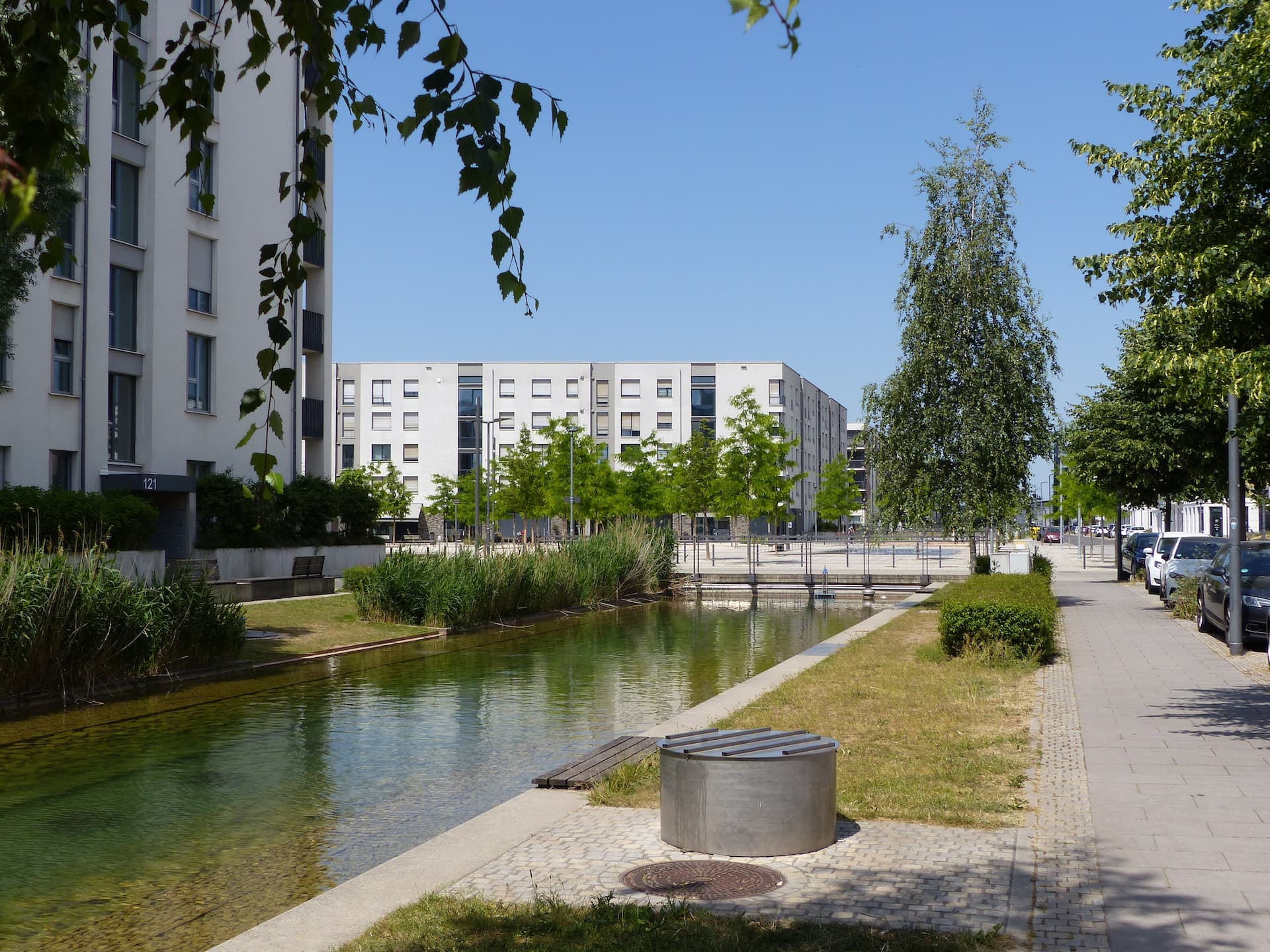
Bahnstadt Heidelberg
Rising heating, rent and running costs have forced many people to rethink how they live. Bahnstadt is two steps ahead: since the first residents moved in in 2012, this district has been known for its innovative construction. But what is the green district of Bahnstadt actually about - and is it really as green as it claims?
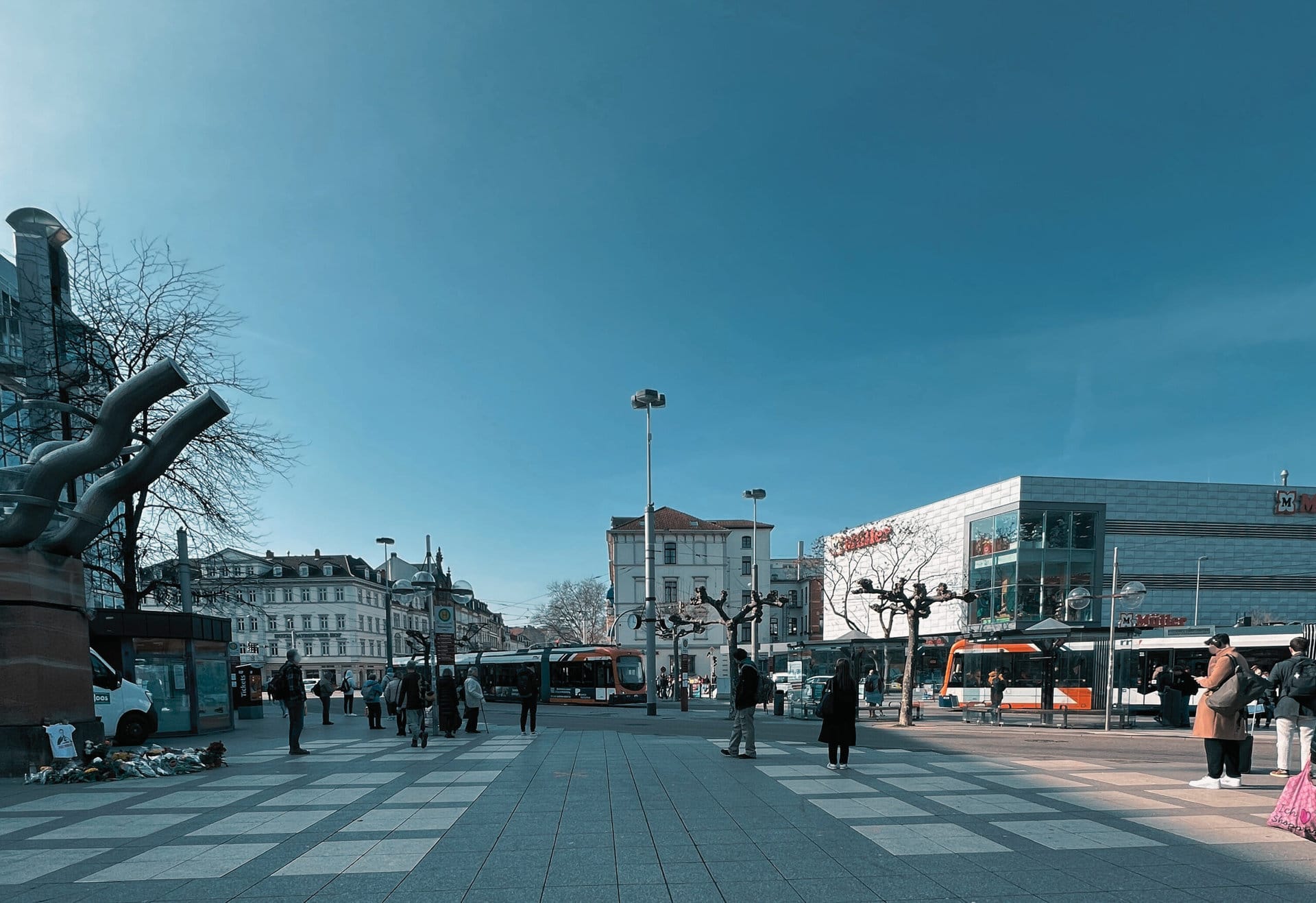
Bismarckplatz Heidelberg
Bismarckplatz in Heidelberg is more than just a hub for city traffic. It is the face of the city, a place of pulsating energy and cultural diversity. Situated at the western end of Hauptstraße, Bismarckplatz marks the transition from the old town to the Bergheim district, and the Theodor-Heuss-Brücke leads from here across the Neckar to Neuenheim.
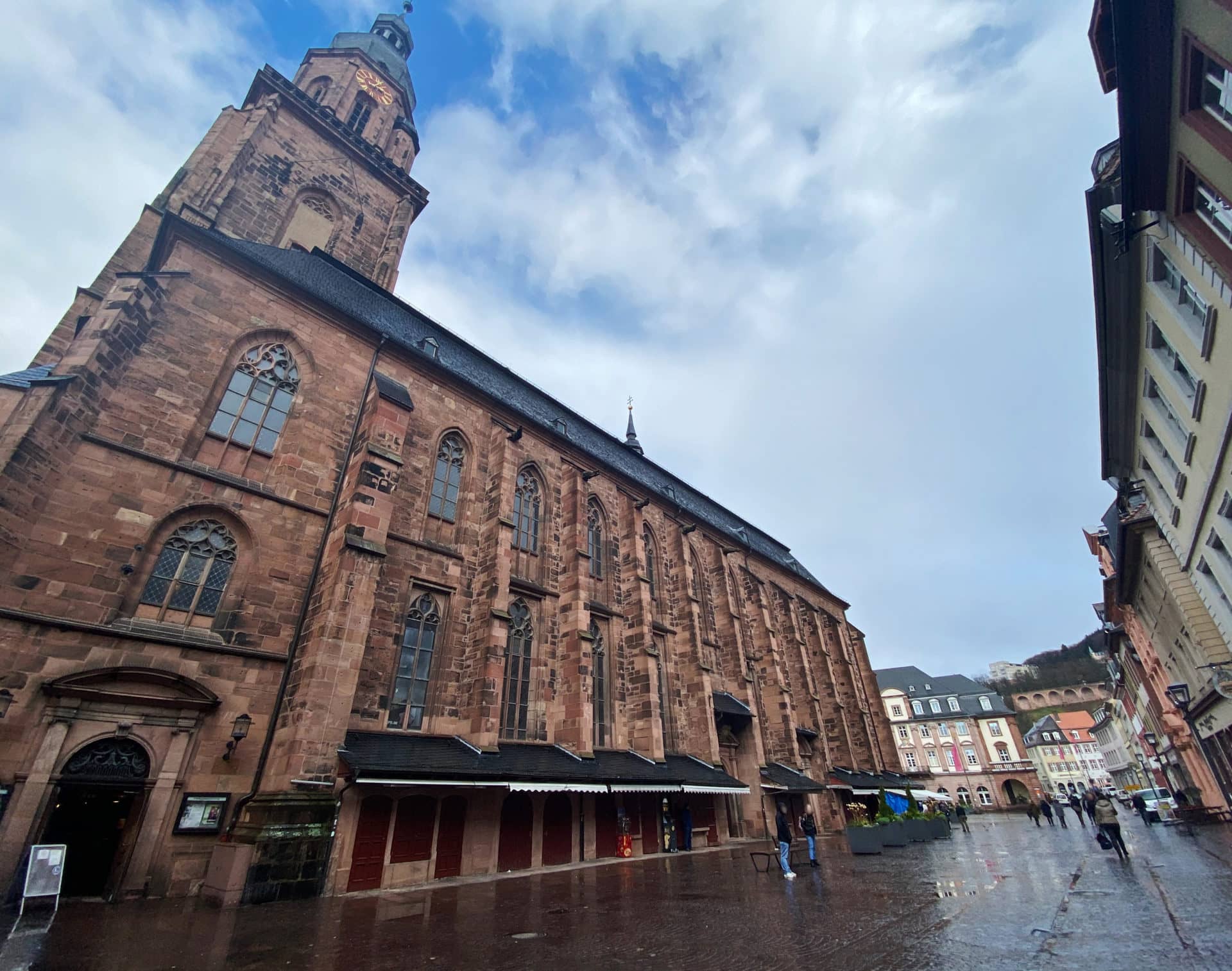
Church of the Holy Spirit Heidelberg: the church on the market square
With its red sandstone, the Church of the Holy Spirit dominates the market square of Heidelberg's Old Town. A late Gothic hall church, former burial site of the Palatine electors, once home to the famous Bibliotheca Palatina and today one of the most visited churches in southern Germany.
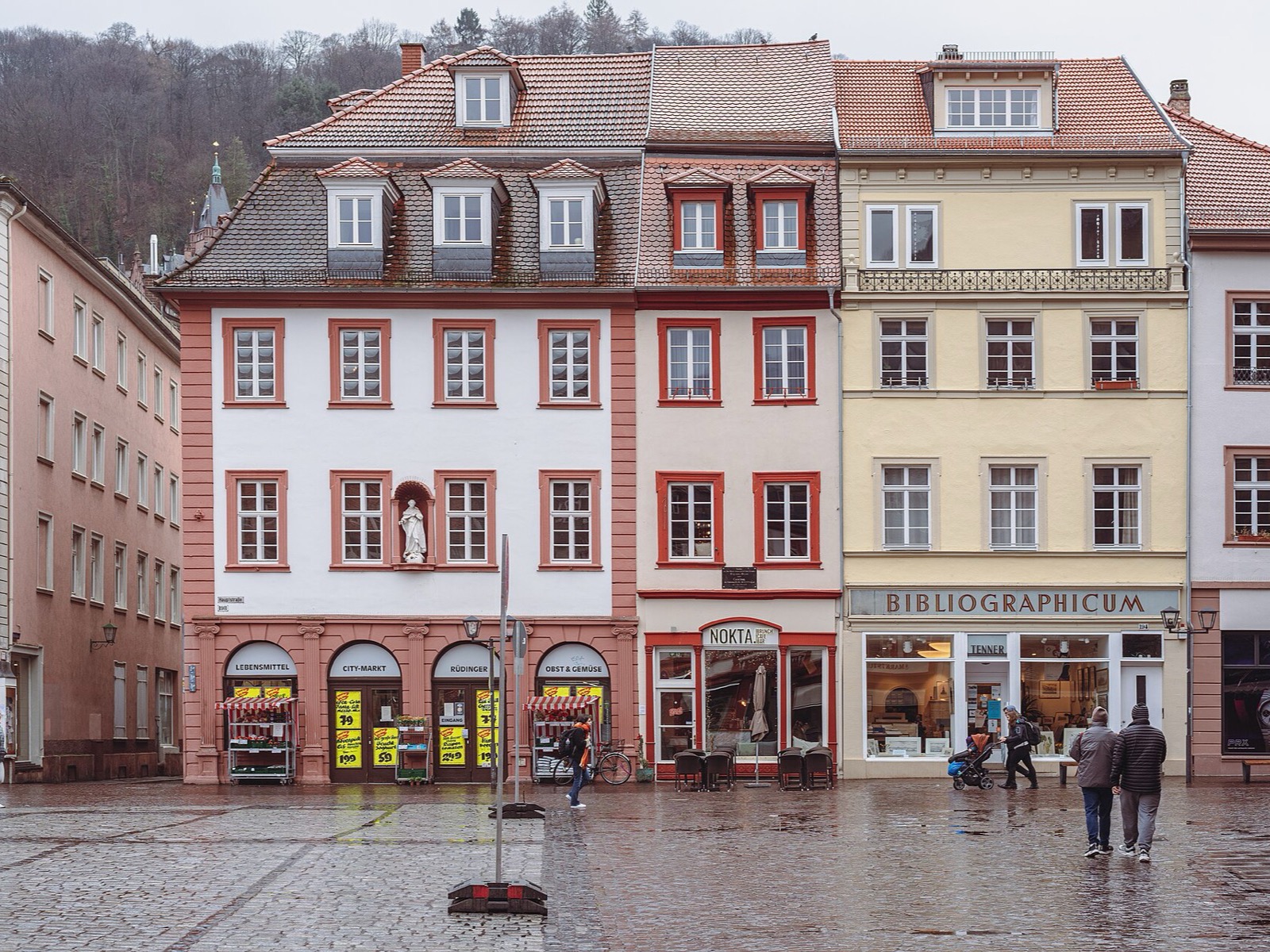
Hauptstraße Heidelberg
One of Europe's longest pedestrian zones – Heidelberg's Hauptstraße runs 1.8 km through the Old Town, lined with historic buildings, boutiques, cafés and landmarks from the Church of the Holy Spirit to the Hotel zum Ritter.
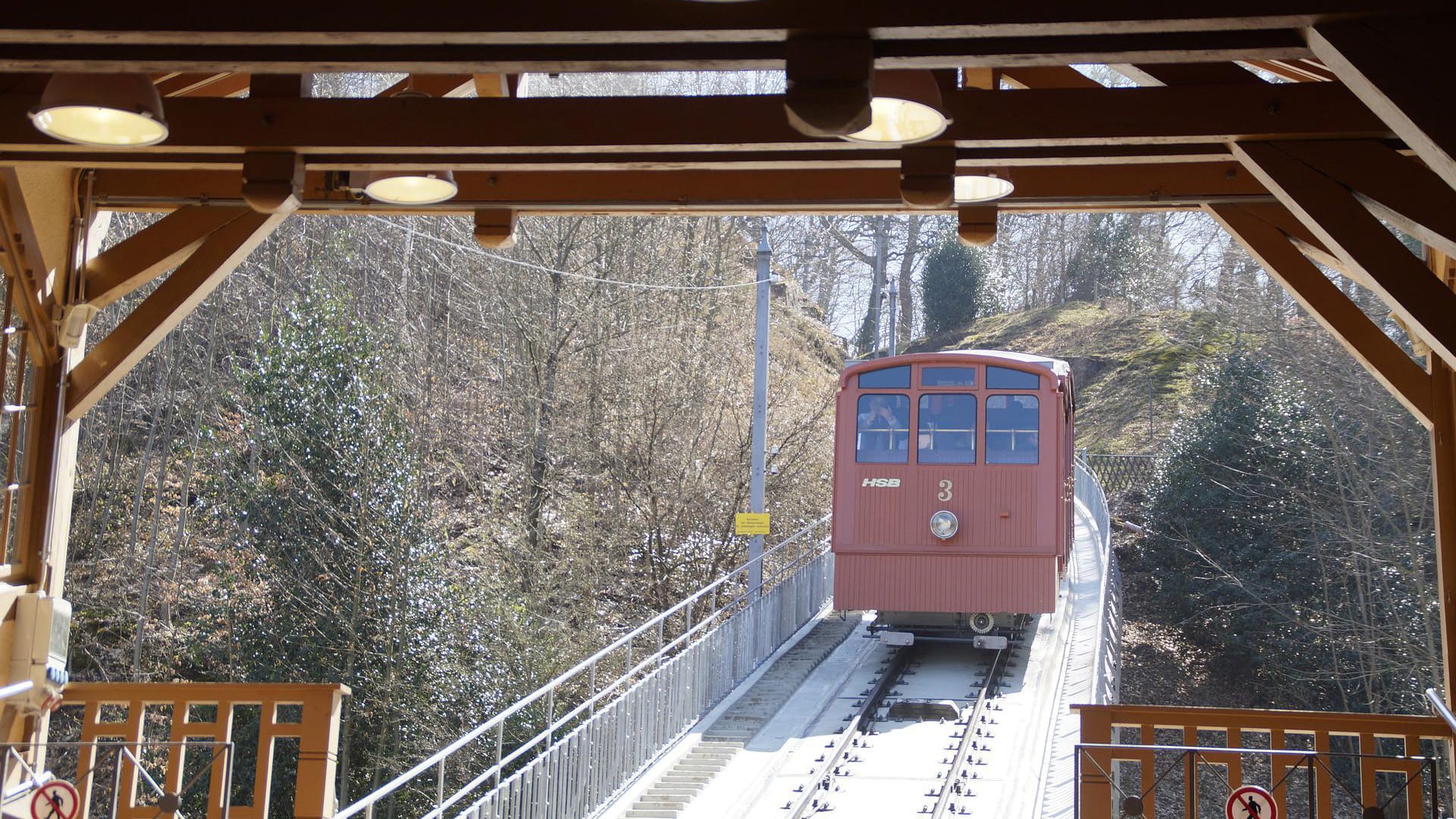
Heidelberg Bergbahn
The Heidelberg Bergbahn is one of the most modern funicular railroads in Germany. By using both mountain railroads, there is a relaxed ascent to the Königstuhl with a unique view of the Neckar valley.
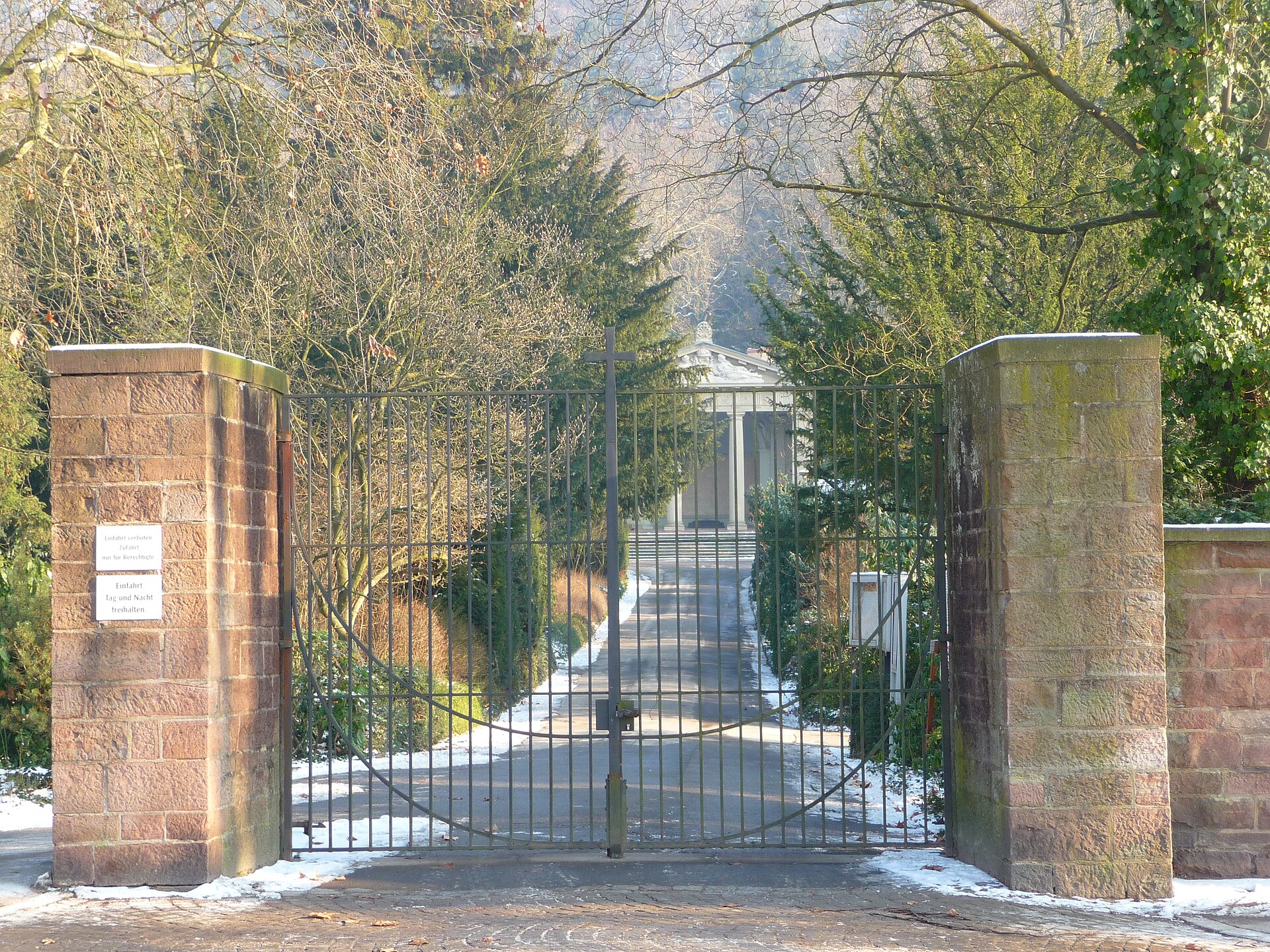
Heidelberg Bergfriedhof (Mountain Cemetery)
The Bergfriedhof in Heidelberg is more than a cemetery - it is a historic park and the city's largest open-air history book. Many figures from science, politics and culture have found their final resting place here, among them Friedrich Ebert, Robert Bunsen, Max Weber and Carl Bosch.
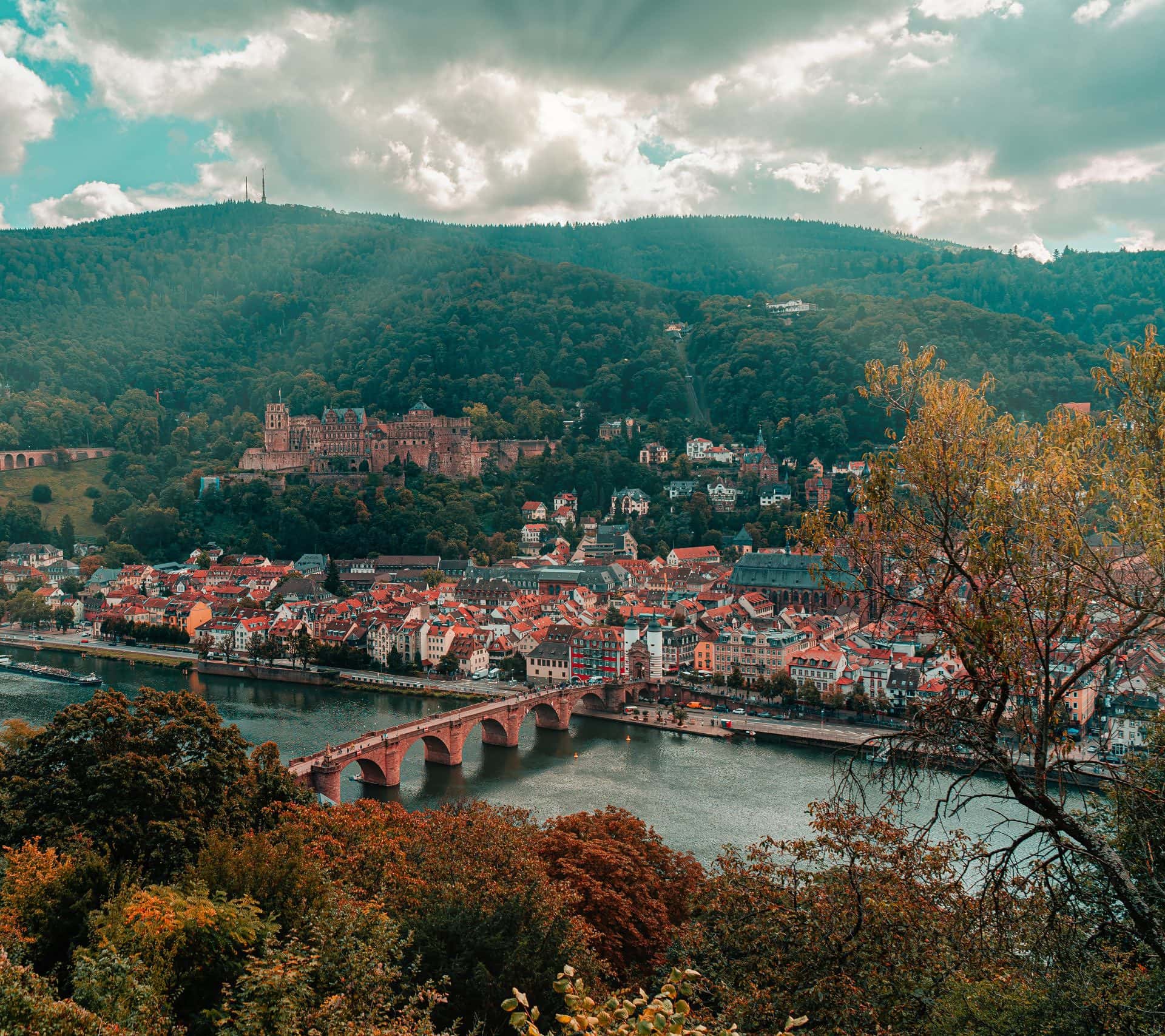
Königstuhl Heidelberg
The Königstuhl (King's Chair) is a mountain in the city of Heidelberg. It rises directly above the old town and, at around 570 meters, is the highest point of the city. It is also the highest mountain in the Kleiner Odenwald (Little Odenwald) and offers an impressive view.
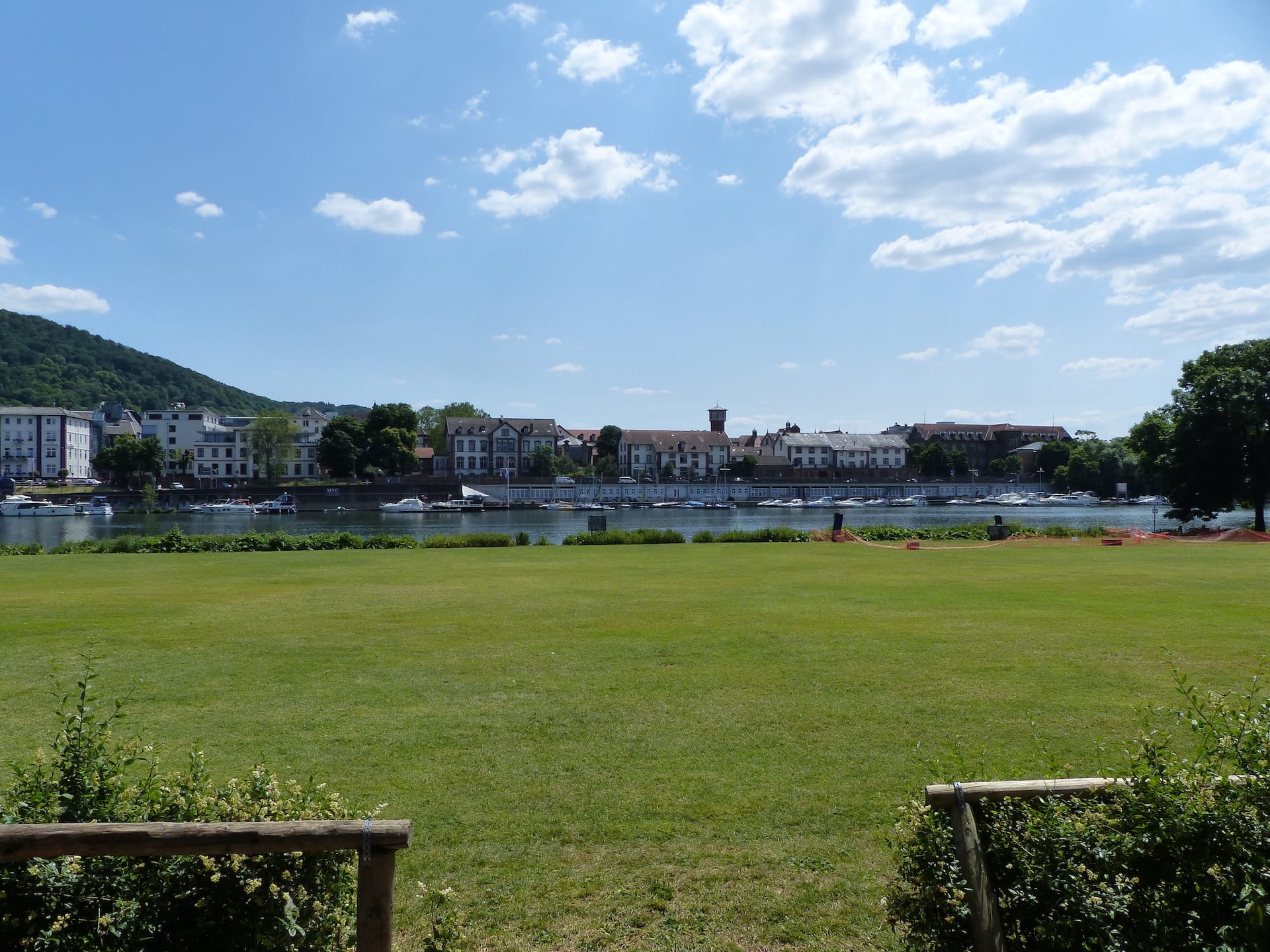
Neckarwiese Heidelberg
Humboldt once said "Nature must be felt", because it was not only him who was so fond of the green. The Neckarwiese is one of the most visited and important places in all of Heidelberg, both ecologically and culturally. But why is that?
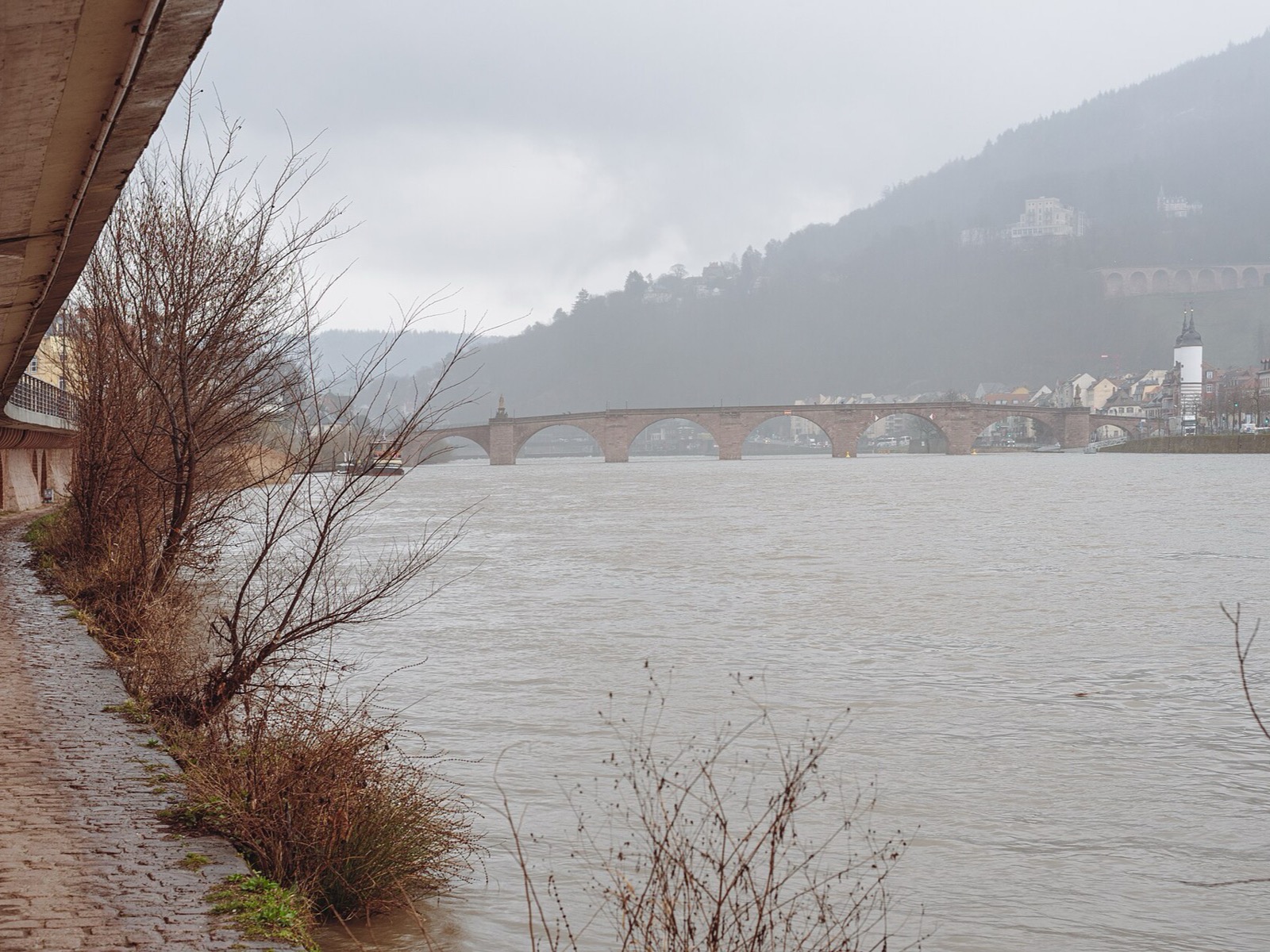
Old Bridge Heidelberg
At the place where the Karl-Theodor-Bridge has been located for many years now, there were already eight previous bridges. The bridges that stood before it on the spot were made of wood and were destroyed again and again by wars or ice aisles on the Neckar. Therefore, the Elector Karl Theodor ordered the construction of the stone bridge, which stretched from 1786 to 1788. At that time, the bridge was the most expensive building in the Electoral Palatinate after the Mannheim Castle and demanded a special tax from the citizens to make the construction possible.
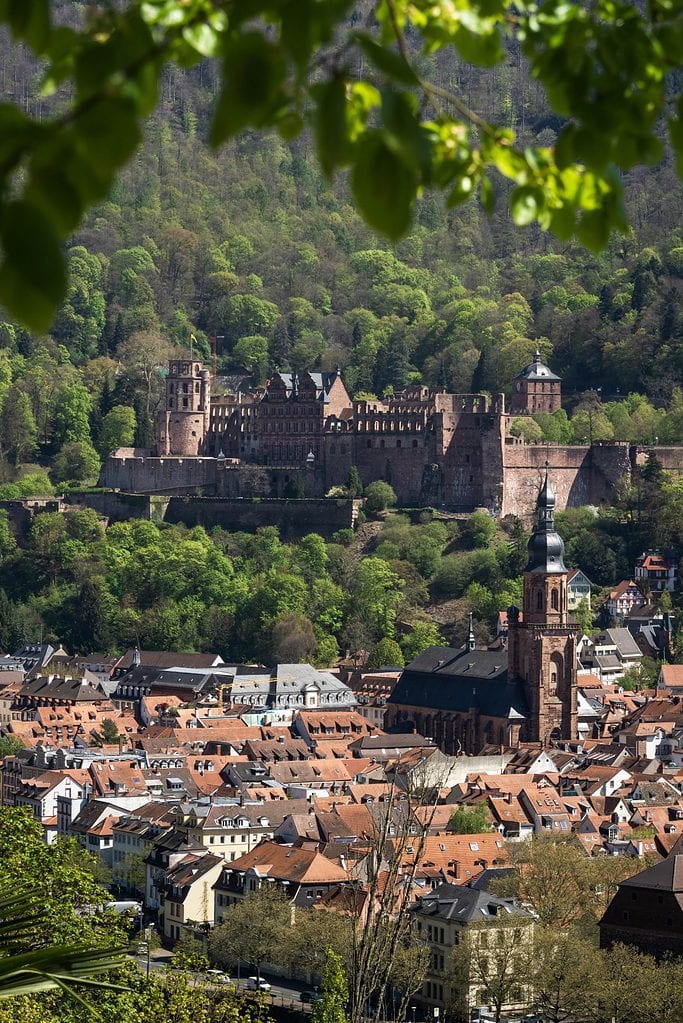
Philosophers' Walk Heidelberg: Best Views, Trails and Photo Spots
The Philosophenweg (Philosophers' Walk) runs along a sunny hillside on the far side of the Neckar and delivers the single most famous view in Heidelberg: the castle, the Old Bridge and the red roofs of the Old Town all in one frame. Here is how to get up there, when the light is best and how much time to plan.
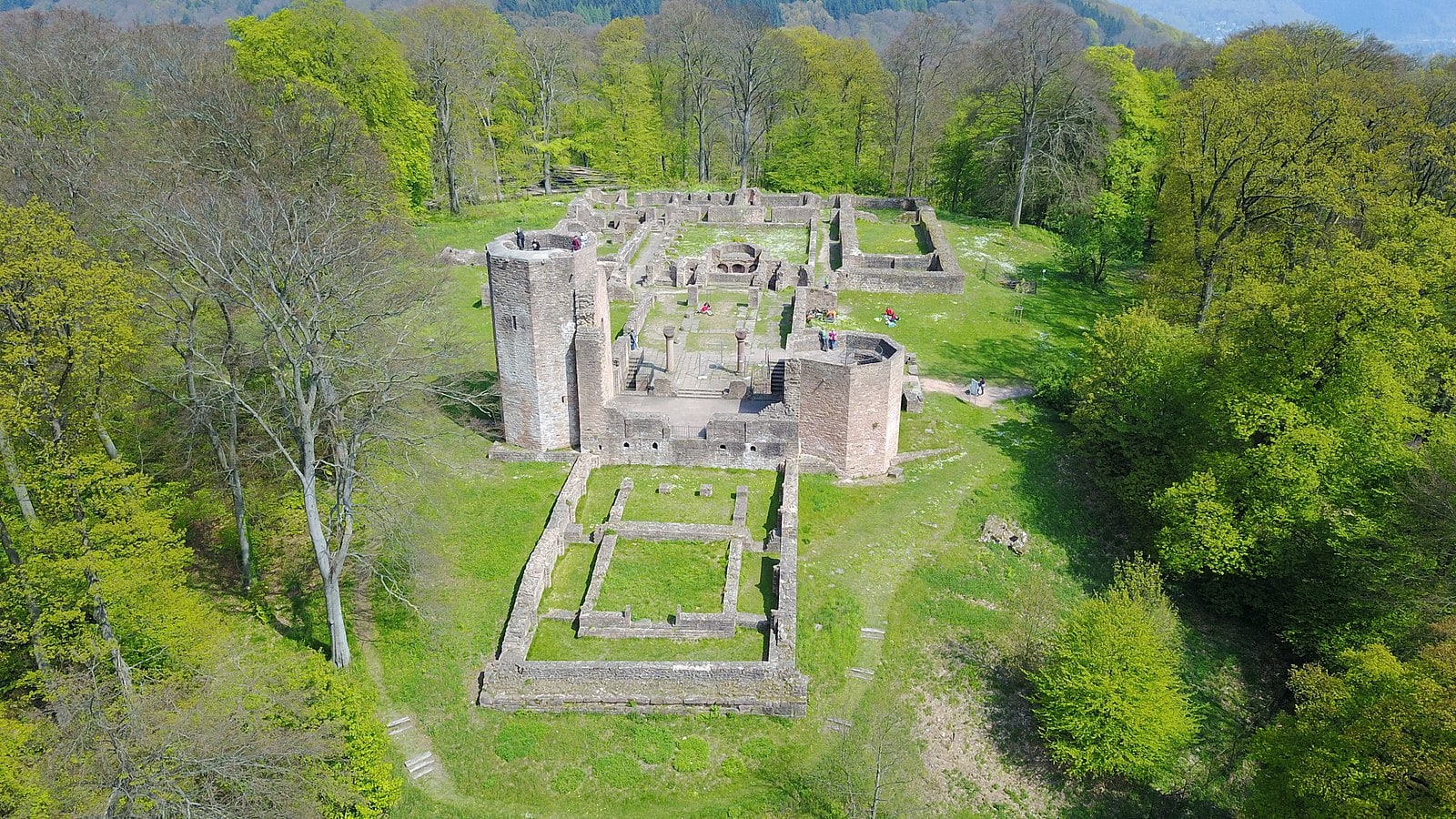
St Michaelskloster Heidelberg
St Michael's Monastery in Heidelberg is a beautiful and historic monastery ruin that is definitely worth a visit. Just like the Thingstätte, the monastery of St Michael is located on the Heiligenberg, one of Heidelberg's two local mountains. The monastery was founded in the 9th century as a branch of Lorsch Abbey, rebuilt from 1023 and has a rich history that spans centuries.
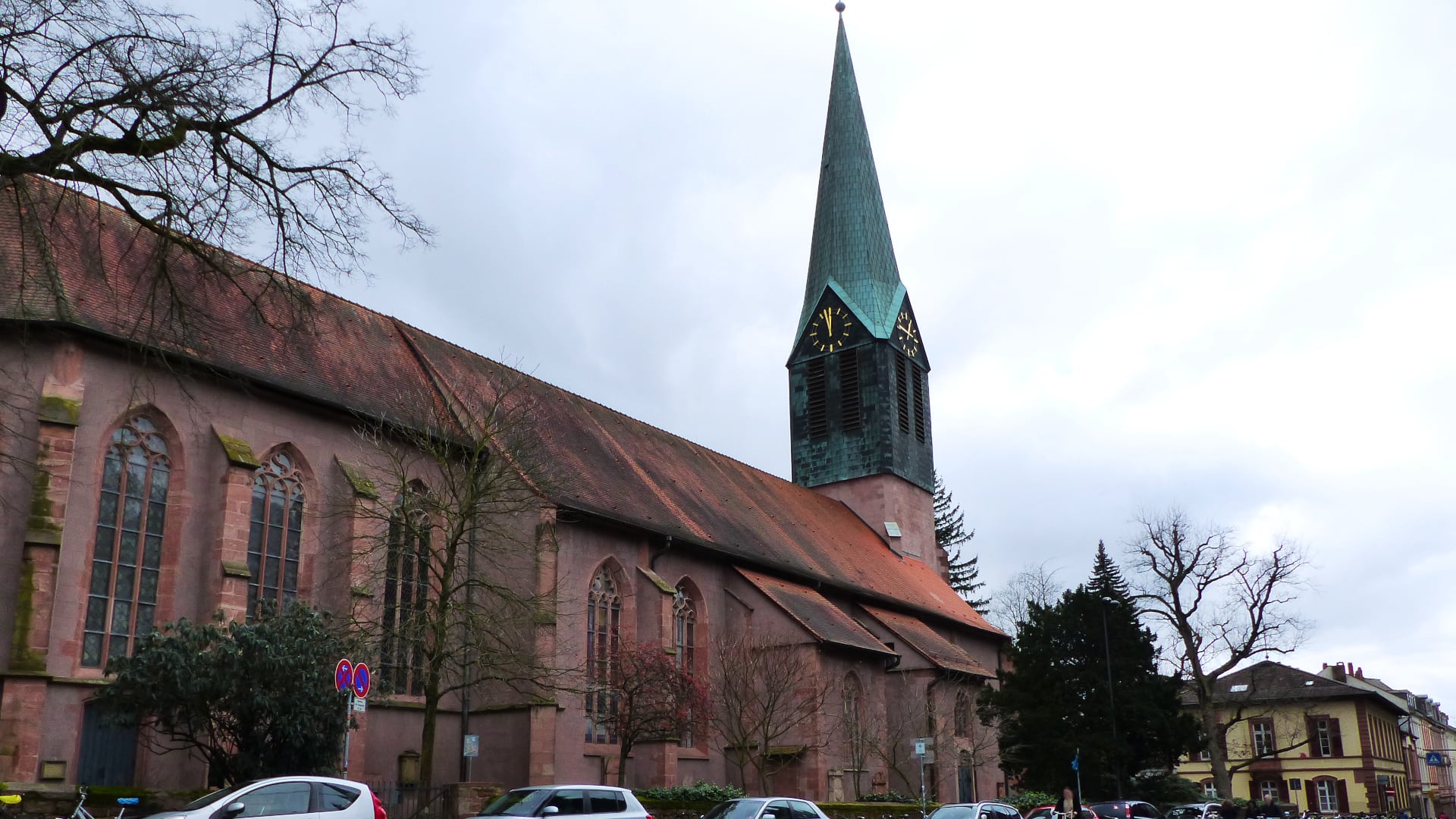
St. Peter's Church Heidelberg
The St. Peter's Church is the oldest church of Heidelberg and the former version of this building was first documented in 1196. It was a Romanesque church in the middle of a small villlage. The city of Heidelberg was founded in the beginning of the 13th century by a dynasty called the Wittelsbacher. The church was located outside the city walls for a long time. The environs of St. Peter's Church were used as a cemetery until the opening of the mountain cemetary in 1844. Even today you can find graves and monuments of the past centuries if you take a walk around the building
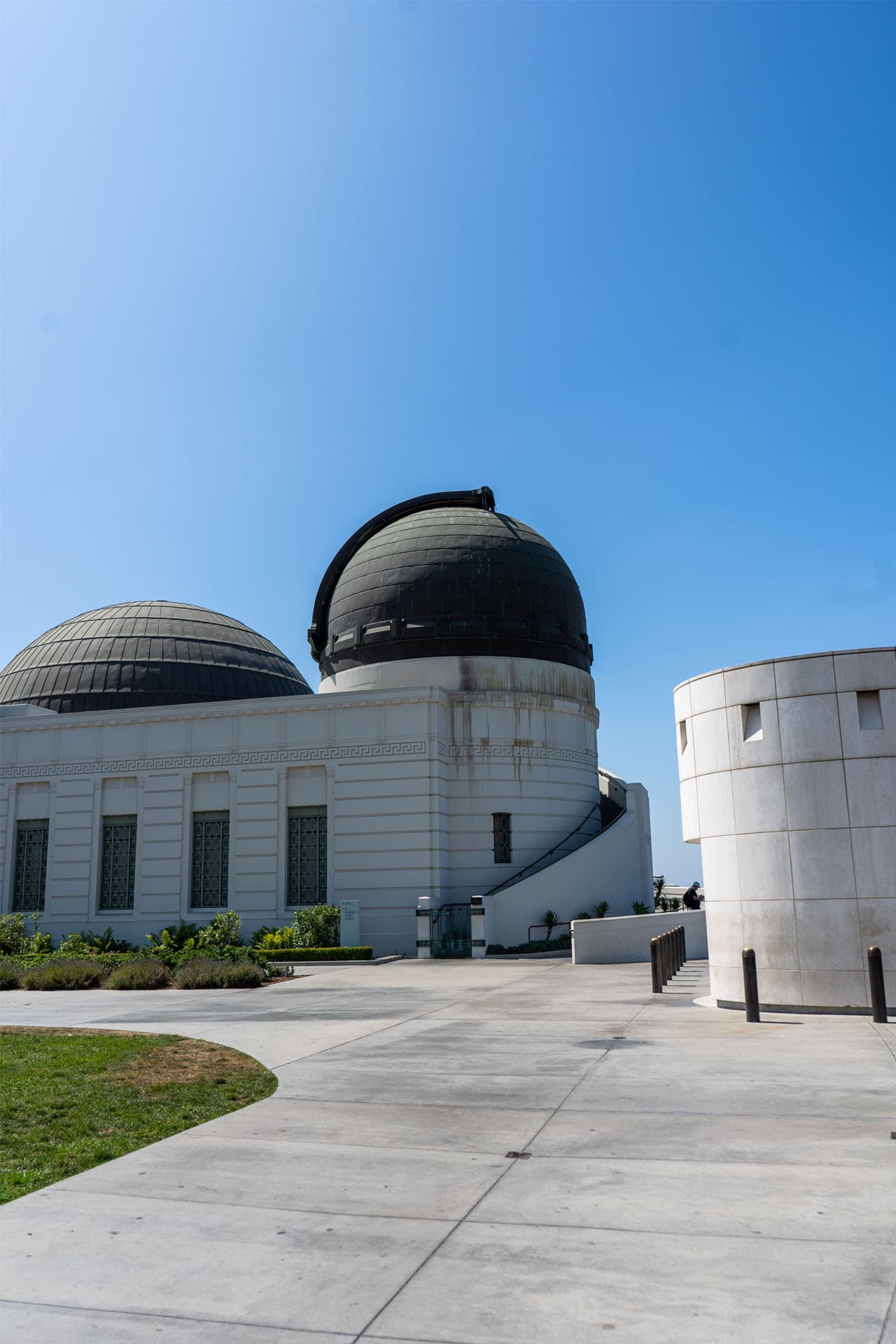
Sternwarte Heidelberg
Blood moon: If the sun, the earth and the moon are in one line, then there is a blood moon to see. Thereby the earth must be between the sun and the moon, so that the moon lies in the earth's shadow and shines reddish. For example, on 16.05.2022 there was a total lunar eclipse. It began at 03:32 o'clock (CEST) with the penumbral phase, the total phase lasted from 05:29 to 06:54 o'clock, and the partial eclipse ended at 07:55 o'clock. In Germany, however, the moon set during the eclipse.
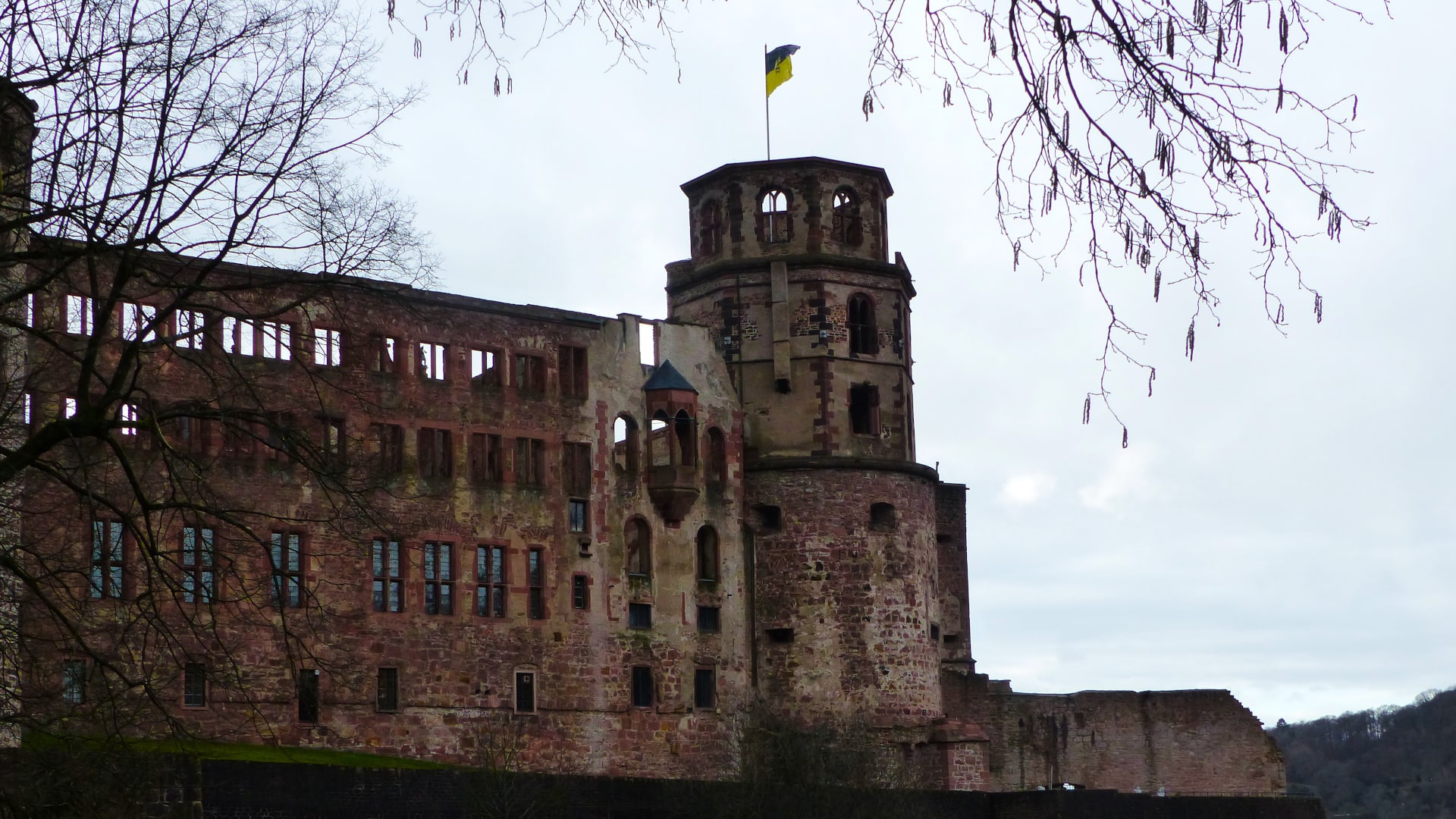
The Heidelberg Castle
The development of the castle complex into a medieval ancestral seat certainly began with the award of the electoral dignity to Rudolf II (1306 - 1353), the first Palatine elector, in 1329. Already Ruprecht I. (1309 - 1390), who also founded the University of Heidelberg, ordered various enlargements of the residential buildings and a considerable strengthening of the fortifications.
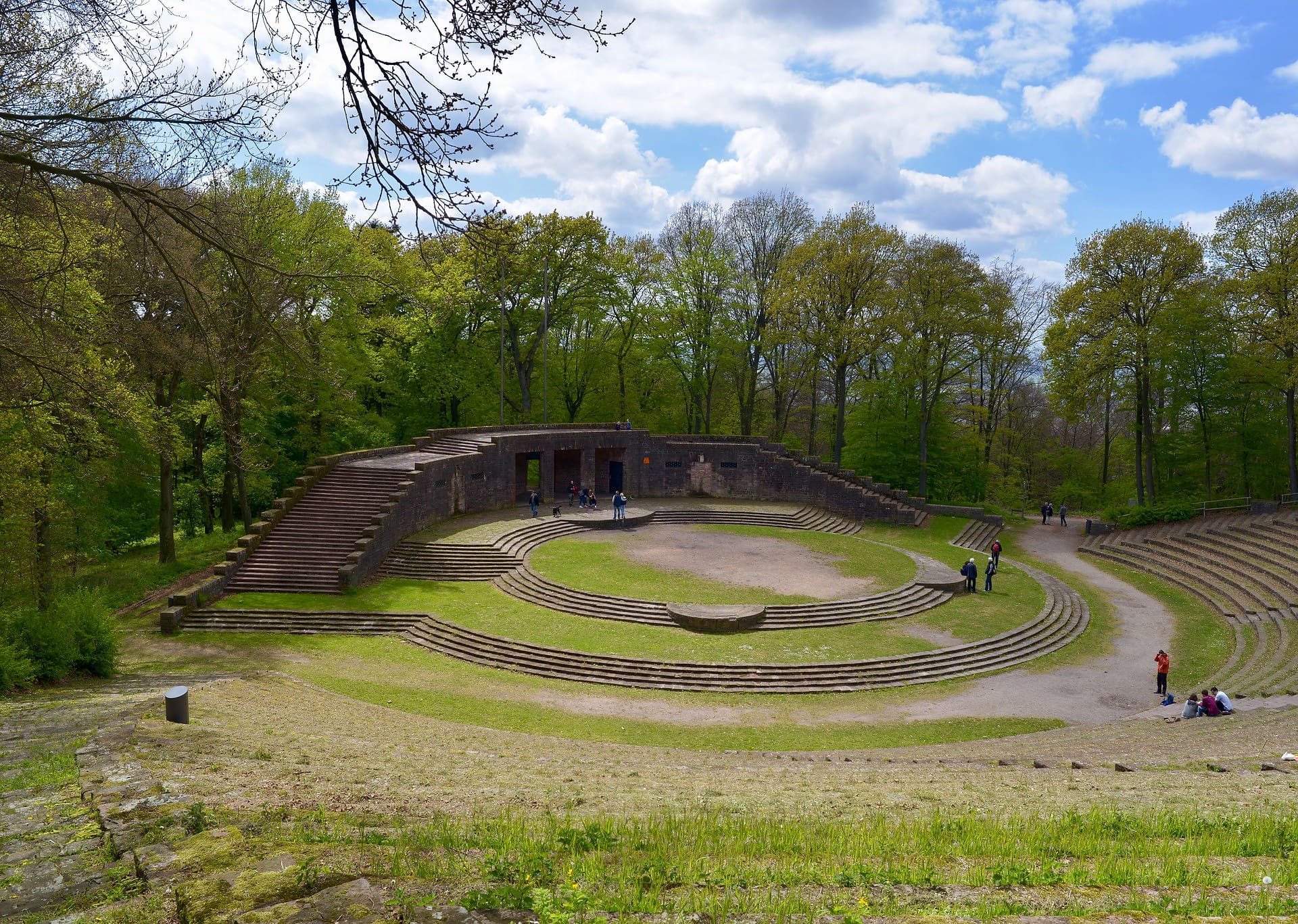
Thingstätte Heidelberg
The Thingstätte is a unique and historically significant open-air theater in Heidelberg. The theater was built in the 1930s, during the Nazi era, and was intended to be a place where the NSDAP could hold political rallies and other events in favor of National Socialism. Despite its controversial past associated with Nazi propaganda, the Thingstätte remains an important and fascinating part of German history and is now a popular tourist destination.
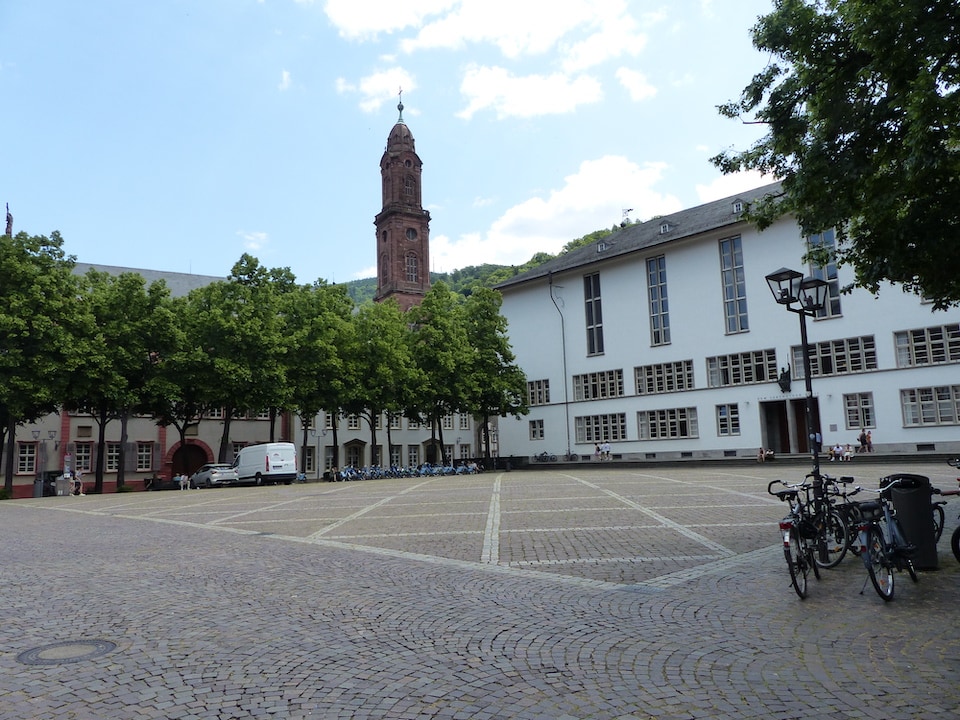
Universitätsplatz Heidelberg: history & things to see
Universitätsplatz in the centre of Heidelberg is a historic meeting point with a rich past, from Martin Luther's disputation to the Nazi era, surrounded by university buildings, restaurants and the lively pedestrian zone.
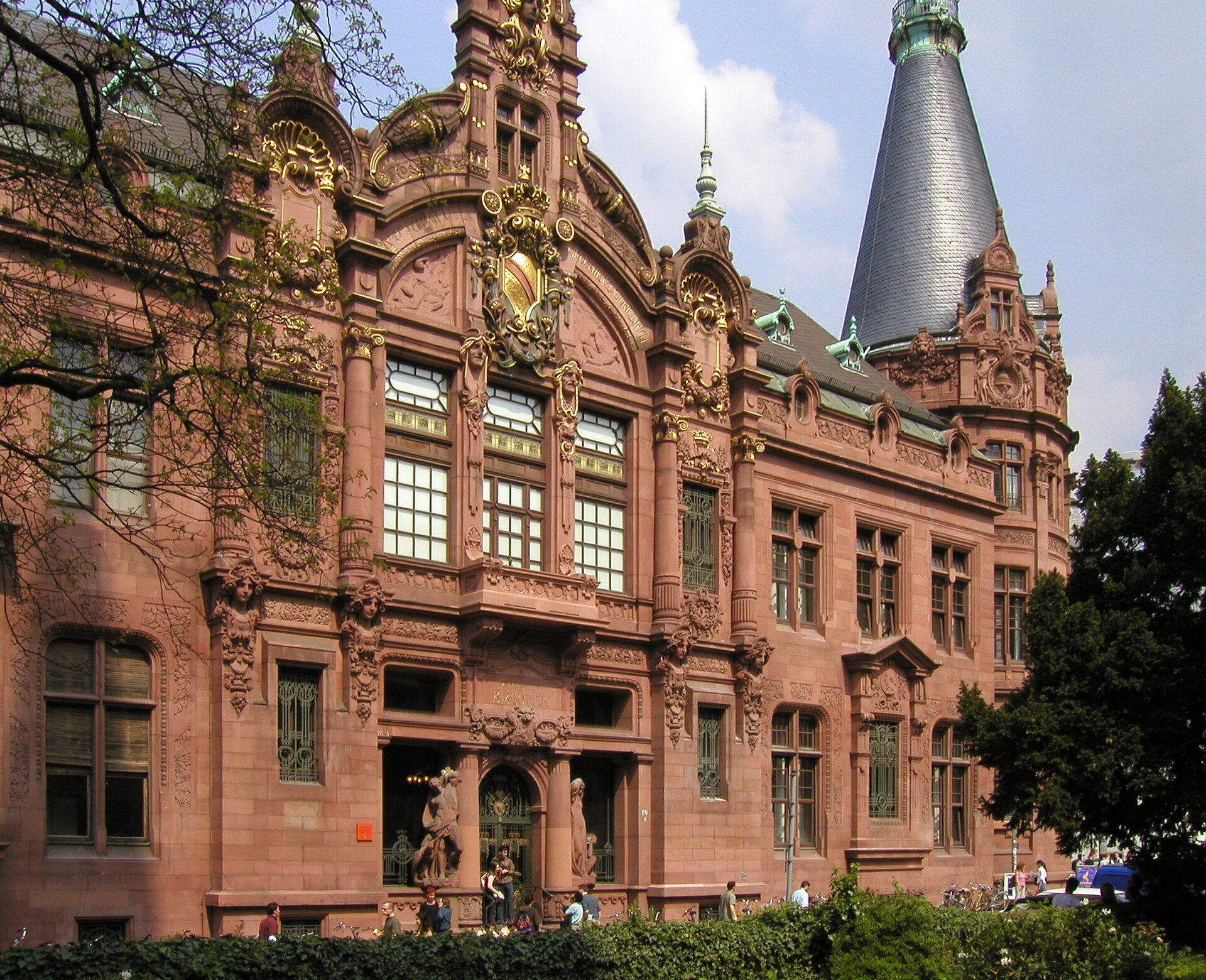
University Library Heidelberg
The library achieved great fame in the 16th century, when Elector Ottheinrich brought together various book collections to form the Bibliotheca Palatina. Through further purchases, donations and inheritances, the library grew to become “the most important book treasure of scholarly Germany”. However, the end of the collection was approaching in the Thirty Years War. In 1622 the Catholic League under General Tilly conquered the city of Heidelberg. As a result, almost the entire book collection was confiscated and transported to the Vatican in Rome.
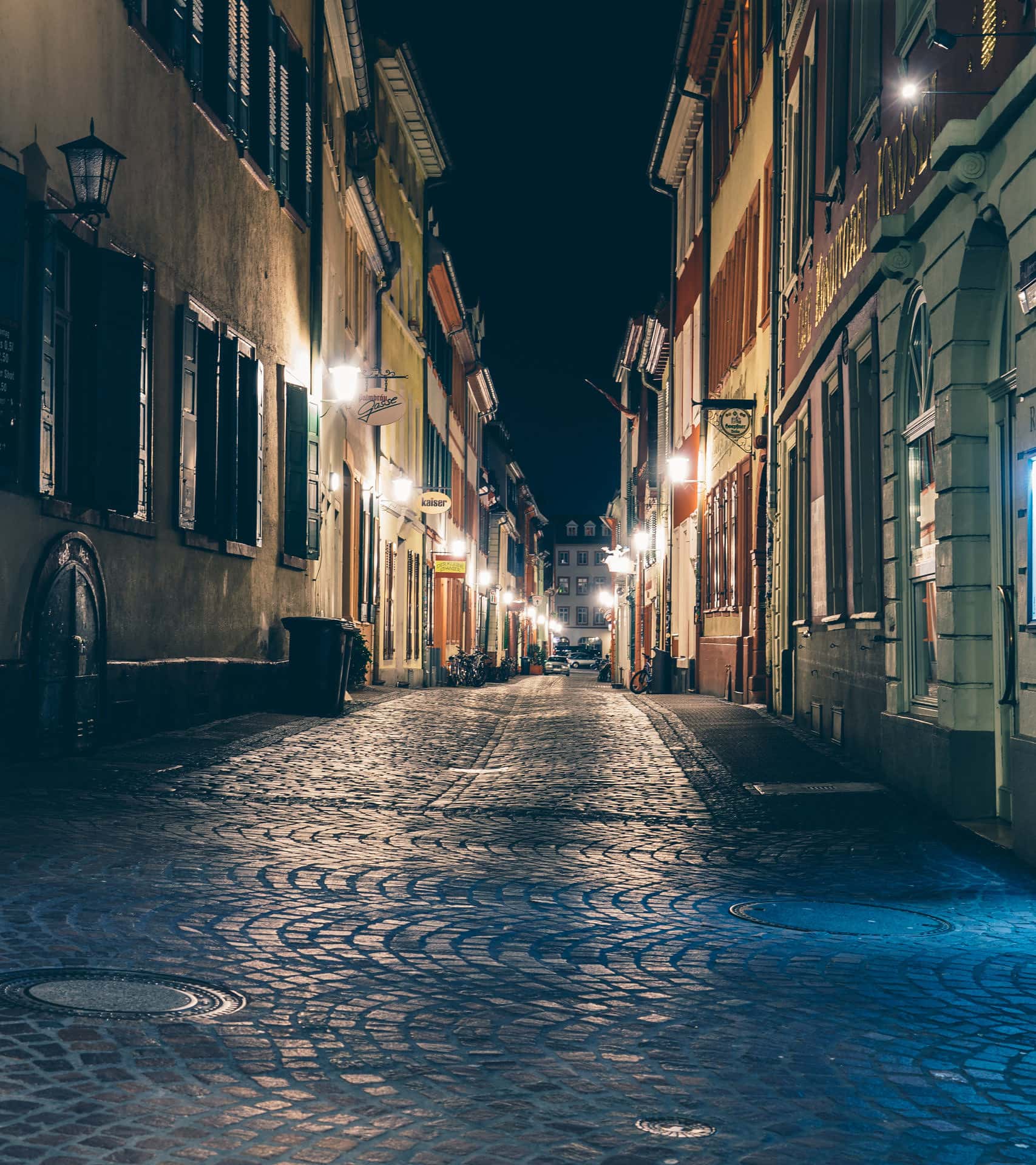
Untere Straße Heidelberg
Located in the heart of Heidelberg's Old Town, Untere Straße (Lower Street) is a must-see for any traveler visiting the area. This old, cobbled street (colloquially known simply as "Untere") is lined with small stores, delicious restaurants and cafes. However, Untere Straße is best known for its pubs. Parallel to the Hauptstraße runs the pub mile with one bar in front of the other. There is something for everyone here, whether it's cocktails, wines or home-brewed and local beers.