
Heidelberg facts
Homo heidelbergensis
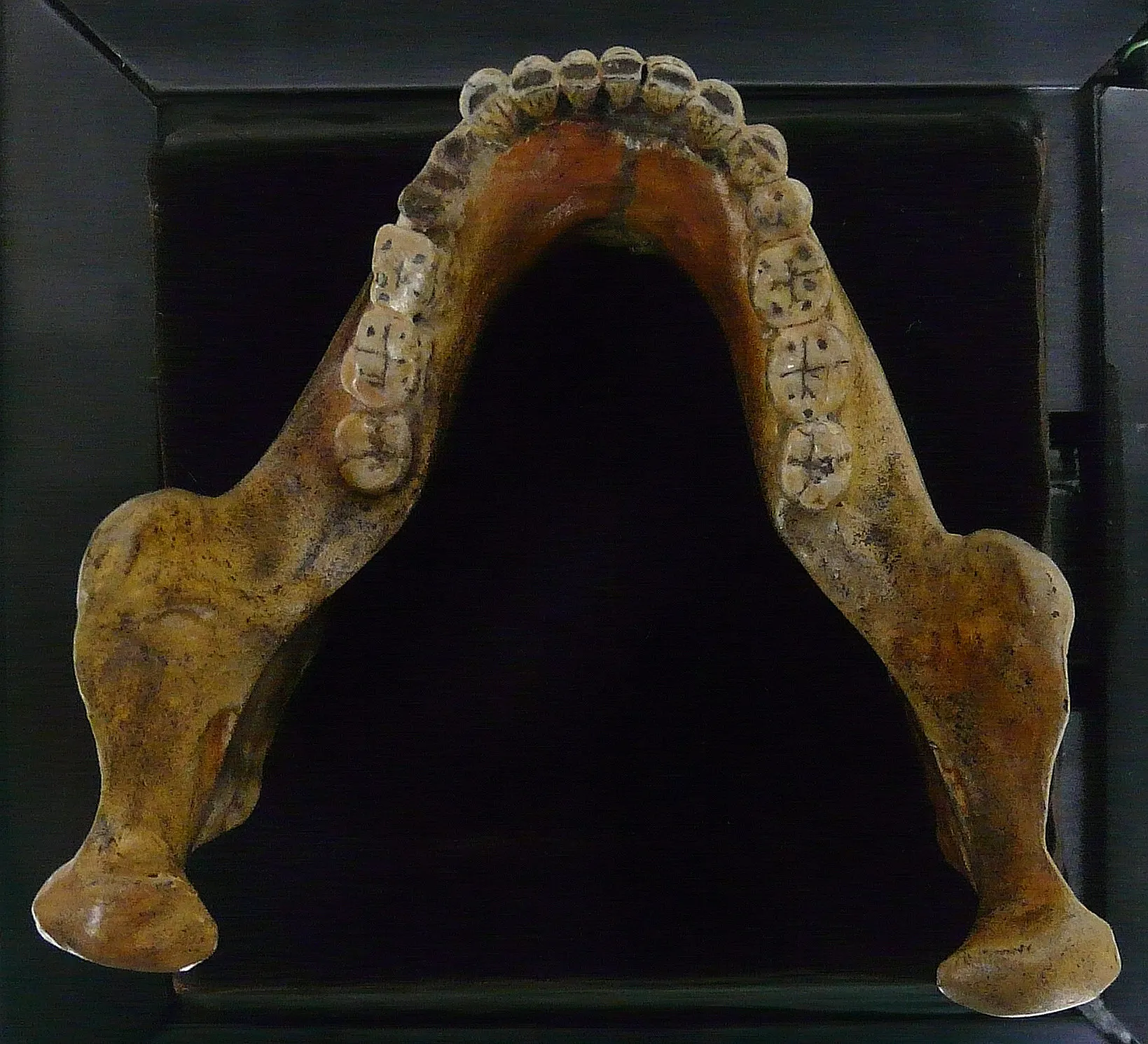
A jawbone unearthed in 1907 at Mauer near Heidelberg gave the region its own branch of the human family tree.
An early human named after Heidelberg
In 1907, a well-preserved lower jawbone was discovered in a sand pit near Mauer, southeast of Heidelberg. The find was soon described as a distinct form of early human and, after the site near Heidelberg, given the scientific name Homo heidelbergensis.
The "Mauer jaw" ranks among the most significant paleoanthropological finds in Europe and is roughly 600,000 years old. Researchers consider Homo heidelbergensis a probable common ancestor of Neanderthals and modern humans, though its exact place on the family tree is still debated.
Because of that discovery site, the region became the namesake of an entire human form. The original find is kept under scientific custody; the site near Mauer and regional exhibitions keep the story of the discovery alive.
You might also like

Ruperto Carola, Germany's Oldest University
Founded in 1386 by Elector Ruprecht I, Heidelberg University is the oldest university on the territory of present-day Germany.
Heidelberg Romanticism
Brentano, Arnim, Eichendorff: how Heidelberg became a center of the German Romantic movement in the early 19th century.

Student Life in Heidelberg
From the student jail to the dueling fraternities, from the Schnookeloch tavern to the Untere Straße: more than 600 years of studying in Heidelberg.